

Hysteroscopy in Dubai: Advanced Evaluation and Treatment of Uterine Conditions
When unusual bleeding, heavy periods or other uterine concerns require closer evaluation, hysteroscopy can provide a direct view of the uterine cavity. This minimally invasive procedure uses a fine, camera-equipped instrument to help the gynecologist identify certain conditions and, when appropriate, treat them. It may be considered when evaluating abnormal vaginal bleeding, persistent heavy periods, selected causes of period pain, uterine polyps and other changes affecting the uterine cavity. For women looking for the best hysteroscopy doctor in Dubai, Dr. Mustafa Aldam provides gynecological assessment and hysteroscopy care based on each patient’s symptoms, medical history and diagnostic needs. With more than 20 years of experience in obstetrics and gynecology, Dr. Mustafa Aldam takes a personalized approach to identifying uterine conditions and discussing suitable treatment options.
What is hysteroscopy?
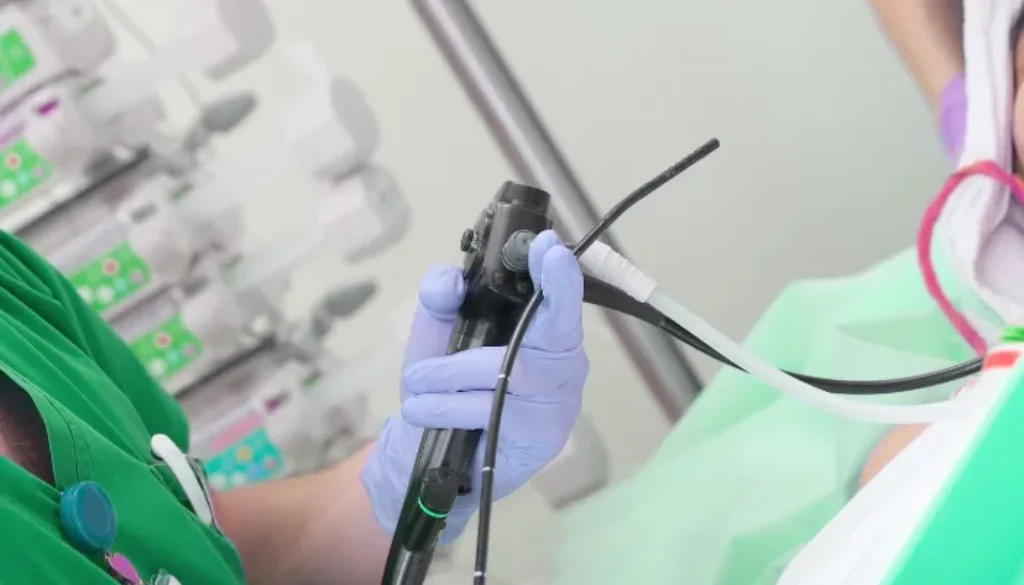
Hysteroscopy gives the gynecologist a direct view of the uterine cavity using a slender camera-guided instrument. During the procedure, a narrow camera-equipped instrument called a hysteroscope is gently introduced through the vagina and cervix into the uterine cavity. The camera provides a clear view of the uterine lining and cavity.
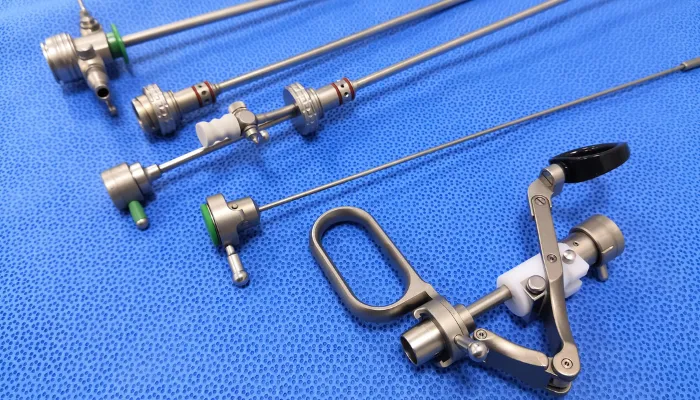
The purpose of a hysteroscopy can vary from one patient to another. In some cases, the doctor may be able to treat the problem during the same procedure. For example, if the doctor finds a uterine polyp during the procedure, they may remove it at the same time when appropriate.
A consultation with the best hysteroscopy doctor in Dubai can help you understand whether hysteroscopy is right for you. Your doctor will review your symptoms and previous test findings before deciding whether you need an ultrasound, blood test or endometrial sampling.
When may hysteroscopy be recommended?
Your gynecologist may recommend hysteroscopy when symptoms or test results suggest that there may be an abnormality inside the uterine cavity. Common reasons include:
- Abnormal vaginal bleeding
- Heavy or prolonged menstrual bleeding
- Bleeding between periods
- Bleeding after menopause
- Suspected uterine polyps
- Some uterine cavity abnormalities
- Abnormal findings on an ultrasound scan
- Evaluation of the uterine lining
- Further assessment when an endometrial biopsy is required
- Assessment of selected fertility-related uterine concerns
Hysteroscopy is not required for every woman with these symptoms. The appropriate investigation depends on factors such as age, symptoms, menstrual history, previous medical conditions and findings from other tests.
Hysteroscopy for abnormal vaginal bleeding
Abnormal vaginal bleeding can have several possible causes. Hormonal changes, fibroids, polyps, medication, changes in the endometrium and other gynecological conditions may contribute to unusual bleeding patterns.
When an ultrasound or other evaluation suggests an abnormality within the uterine cavity, hysteroscopy can provide a direct view of the area. This may help the gynecologist identify a polyp, an area of irregular tissue or another structural concern.
If you have persistent or unexplained bleeding, it is important to have it assessed by a gynecologist. The doctor can assess your symptoms and choose the right diagnostic method. They can also determine whether hysteroscopy is suitable for you.
Hysteroscopy for heavy periods

Heavy menstrual bleeding can affect everyday activities and may sometimes contribute to iron-deficiency anemia. The cause can vary from one woman to another.
Uterine polyps, fibroids that project into the uterine cavity, hormonal factors and other conditions may contribute to heavy menstrual bleeding. A detailed assessment can help identify the possible cause.
Where an abnormality within the uterine cavity is suspected, hysteroscopy may allow the doctor to examine the uterine lining directly. In selected cases, treatment can be performed during the same procedure, depending on the finding.
Dr. Mustafa Aldam assesses the underlying cause before recommending treatment. This individualized approach is important because heavy periods do not always require hysteroscopy.
Hysteroscopy and period pain
Period pain is common, but severe, persistent or changing menstrual pain may require further evaluation. Conditions such as endometriosis, adenomyosis, fibroids and other gynecological problems can be associated with pelvic or menstrual pain.
Hysteroscopy primarily examines the inside of the uterus, so it is not a test for every cause of period pain. However, it may be considered when the symptoms or imaging findings suggest a problem within the uterine cavity.
The best hysteroscopy doctor in Dubai should first assess the complete clinical picture. Hysteroscopy should not be recommended solely because a woman experiences painful periods. A consultation helps determine whether hysteroscopy, ultrasound, other imaging or another gynecological evaluation is appropriate.
Hysteroscopy for uterine polyps
Uterine polyps are localized changes that develop within the endometrial lining and may sometimes affect menstrual bleeding. Some polyps may cause no symptoms, while others can be associated with irregular bleeding, heavy periods or bleeding after menopause.
Ultrasound may suggest the presence of a polyp, but hysteroscopy allows the doctor to directly visualize the uterine cavity. When appropriate, a polyp can often be removed hysteroscopically.
If tissue is removed during the procedure, your doctor may recommend having it examined in a laboratory to understand its nature. This allows the tissue to be assessed more closely.
For women with suspected polyps, discussing the findings with a best hysteroscopy doctor in Dubai can help determine whether hysteroscopic assessment or removal is suitable.
Hysteroscopy and uterine cancer evaluation
Bleeding that occurs outside the usual menstrual pattern, especially after menopause, may require evaluation of the uterine lining to rule out serious conditions such as endometrial cancer. Most cases of abnormal bleeding are not caused by cancer, but unexplained or persistent bleeding should not be ignored.
Hysteroscopy may be used as part of the evaluation when a doctor needs to examine the uterine cavity or obtain tissue from a suspicious area. A biopsy or tissue sample may be required for a definitive diagnosis.
It is important to understand that hysteroscopy itself does not diagnose every case of uterine cancer and is not a substitute for laboratory examination of tissue. The diagnosis is based on appropriate clinical assessment and pathological evaluation.
If there is a concern about the uterine lining or unexplained bleeding, Dr. Mustafa Aldam can evaluate the symptoms and recommend appropriate investigations. Women searching for the best hysteroscopy doctor in Dubai can discuss their concerns and diagnostic options during a consultation.
Hysteroscopy and the uterine lining
Inside the uterus, a layer of tissue called the endometrium changes naturally in response to hormonal fluctuations during the menstrual cycle. Changes in the thickness or appearance of the endometrium may be identified during an ultrasound examination.
A thin endometrium can occur for different reasons, including hormonal changes, the stage of the menstrual cycle and certain medical or treatment-related factors. A thin endometrium does not automatically mean that hysteroscopy is required.
However, when there are additional symptoms or an abnormal finding within the uterine cavity, the doctor may consider further evaluation. The hysteroscopy procedure provides a direct view of the uterine cavity. It may help the doctor identify structural changes that could be linked to bleeding or other symptoms.
The cause of a thin endometrium needs to be assessed individually rather than relying on thickness alone.
What happens during a hysteroscopy?
Before hysteroscopy, Dr. Mustafa Aldam will review your symptoms, medical history and previous test results. Depending on your circumstances, an ultrasound or other investigations may be recommended before the procedure.
During the procedure, Dr. Mustafa Aldam carefully guides the slender hysteroscope through the natural vaginal and cervical passage to examine the uterine cavity. A sterile fluid may be used to gently expand the cavity, allowing the doctor to see the uterine lining more clearly.
If a polyp or another suitable abnormality is identified, treatment may sometimes be performed during the same procedure. The exact approach depends on the findings and the type of hysteroscopy being performed.
The procedure and recovery experience can vary depending on whether hysteroscopy is diagnostic or operative and whether additional treatment is performed.
Is hysteroscopy suitable for everyone?

Hysteroscopy is a useful gynecological procedure, but it is not the right investigation for every patient. The decision depends on the symptoms, examination findings, imaging results and overall medical history.
Your doctor may recommend alternative or additional investigations depending on what needs to be evaluated. This is why an individual consultation is important before scheduling the procedure.
Choosing an experienced gynecologist for assessment can help ensure that the procedure is recommended for an appropriate clinical reason.
Why choose Dr. Mustafa Aldam for hysteroscopy care?
Dr. Mustafa Aldam is an experienced Obstetrician & Gynecologist in Dubai with more than 20 years of experience in women’s health and gynecological care. His approach focuses on understanding the patient’s symptoms, identifying possible causes and recommending investigations or treatments according to individual needs.
For patients searching for the best hysteroscopy doctor in Dubai, the focus should be on experience, appropriate diagnosis, clear communication and a treatment plan tailored to the patient’s condition.
Whether you are experiencing abnormal vaginal bleeding, heavy periods, period pain or have been told that you may have a uterine polyp or an abnormality of the endometrium, a proper gynecological assessment is the first step.
Book a hysteroscopy consultation in Dubai
Persistent abnormal bleeding, heavy periods, unexplained changes in your menstrual cycle or findings involving the uterine lining deserve appropriate medical evaluation. Hysteroscopy can be an important diagnostic and treatment option for selected conditions affecting the uterine cavity.
Dr. Mustafa Aldam can assess your symptoms and previous investigations and explain whether hysteroscopy is appropriate for you. If you are looking for the best hysteroscopy doctor in Dubai, schedule a consultation to discuss your concerns and available options.
Important: Hysteroscopy is not appropriate for every patient, and treatment recommendations depend on individual clinical findings. This page provides general information about hysteroscopy. A qualified gynecologist can assess your individual needs and provide advice based on your health and symptoms.