

Uterine Polyp Treatment in Dubai: Symptoms, Diagnosis and Treatment Options
A noticeable change in your usual period pattern may sometimes be linked to an issue affecting the uterus. Heavy periods, bleeding between cycles, or unexpected spotting may have several causes. One possible cause is an endometrial polyp, commonly known as a uterine polyp. Uterine polyps are growths that develop from the inner lining of the uterus. Most are non-cancerous, but some can cause abnormal bleeding and may require further assessment. Knowing the common symptoms and treatment choices can help you recognise when it may be time to speak with a gynecologist. If you are searching for uterine polyp treatment in Dubai, learning about diagnosis, treatment, and recovery can help you prepare for a consultation with Dr Mustafa Aldam.
What Is a Uterine Polyp?
A uterine polyp develops from the endometrial tissue that lines the inside of the uterus. This lining changes throughout the menstrual cycle in response to hormones.
Polyps can vary in size. Some are small and may not cause any symptoms, while others can become larger or develop in areas that affect menstrual bleeding. They may attach to the uterine wall through a narrow stalk or have a broader base.
Most uterine polyps are benign. However, some may contain abnormal cells. For this reason, doctors consider factors such as age, symptoms, menopausal status, and the appearance of the polyp when deciding whether further investigation or removal is appropriate.
Uterine polyps can develop at different ages, although they are more common during perimenopause and after menopause.
What Causes Uterine Polyps?
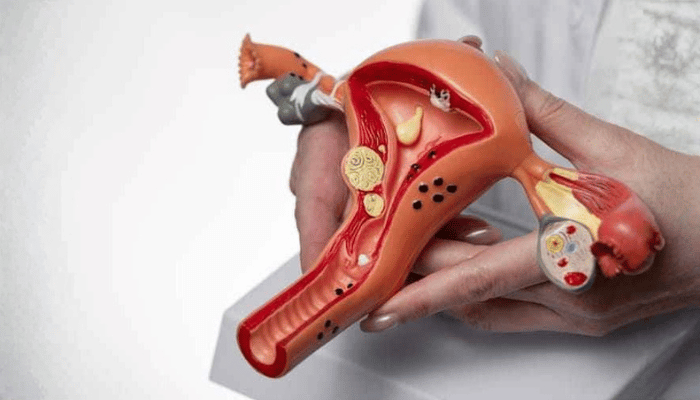
Doctors do not always know what leads to the development of uterine polyps. Hormonal changes, particularly the effect of estrogen on the uterine lining, may contribute to their development.
Estrogen encourages the endometrium to grow during the menstrual cycle. In some women, this growth may become uneven and form a polyp.
Several factors may increase the likelihood of developing uterine polyps, including:
- Increasing age.
- Hormonal changes around perimenopause.
- Being overweight or having obesity.
- High blood pressure.
- Certain hormonal medications.
- A previous history of uterine polyps.
Having one of these risk factors does not mean you will definitely develop a polyp. A gynecological assessment is necessary to understand the possible cause of your symptoms.
What Are the Symptoms of Uterine Polyps?
Some women have uterine polyps without experiencing any symptoms. A doctor may discover one during an ultrasound or another examination.
When symptoms occur, abnormal uterine bleeding is a common concern.
Heavy menstrual bleeding
Your periods may become heavier than usual. You might need to change sanitary products more frequently or find that bleeding affects your work and daily activities.
Bleeding between periods
Spotting or bleeding between menstrual cycles may occur. Repeated bleeding outside your normal period deserves medical attention.
Irregular menstrual cycles
Some women notice changes in the timing or duration of their periods. The amount of bleeding may also vary from one cycle to another.
Bleeding after menopause
Bleeding after menopause should always be assessed by a healthcare professional. A uterine polyp is one possible cause, but other conditions must also be considered.
Fertility concerns
Some polyps may affect fertility, depending on their size and location. However, not every woman with a uterine polyp will experience difficulty becoming pregnant.
Pelvic discomfort
Some women report pelvic pressure or discomfort. However, many uterine polyps do not cause pain.
These symptoms can also occur with fibroids, hormonal changes, adenomyosis, and other gynecological conditions. Therefore, symptoms alone cannot confirm the presence of a polyp.
When Should You See a Gynecologist?
If your menstrual pattern stays different from usual, it is worth discussing the changes with a gynecologist.
Consider speaking with a gynecologist if you notice:
- Periods that become much heavier than before.
- Repeated bleeding between periods.
- Unexplained spotting.
- Bleeding after menopause.
- Persistent changes in your menstrual pattern.
- Fertility concerns alongside abnormal bleeding.
Very heavy bleeding accompanied by dizziness, fainting, weakness, or shortness of breath requires prompt medical attention.
A gynecologist can review your symptoms and recommend suitable investigations. Identifying the cause of abnormal bleeding helps guide the next step.
How Are Uterine Polyps Diagnosed?
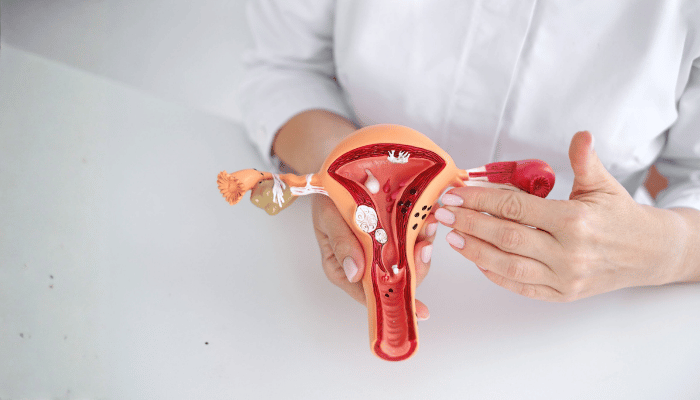
Before recommending uterine polyp treatment in Dubai, Dr Mustafa Aldam can assess your symptoms, medical history, and previous investigation reports.
The diagnostic process may include the following tests.
Transvaginal ultrasound
A transvaginal ultrasound creates detailed images of the uterus and nearby reproductive structures using ultrasound technology.
It can help assess the uterine lining and identify a possible polyp. However, a standard ultrasound may not detect every polyp clearly.
Saline infusion sonography
This examination involves placing sterile saline into the uterus while performing an ultrasound.
The saline helps outline the uterine cavity. This may allow the doctor to see a suspected polyp more clearly.
Hysteroscopy
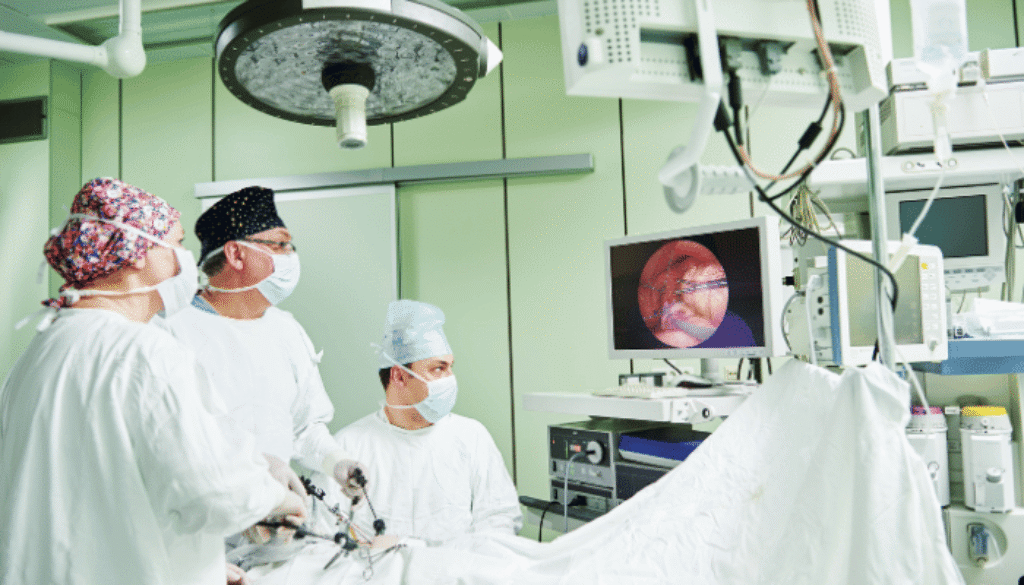
Hysteroscopy for uterine polyp involves examining the inside of the uterus with a thin instrument that has a camera.
The hysteroscope is guided through the vagina and cervix so the doctor can examine the inside of the uterus.
Hysteroscopy may help identify the size, location, and appearance of a polyp. In suitable cases, the doctor may also remove the growth during the same procedure.
To learn more about hysteroscopy and its role in diagnosing and treating uterine conditions, read our guide, “Hysteroscopy in Dubai: Advanced Evaluation and Treatment of Uterine Conditions.”
Endometrial biopsy
An endometrial biopsy allows the doctor to take a small piece of the uterine lining for laboratory testing.
The sample is sent to a laboratory for examination. This can help assess abnormal changes in the endometrium.
A biopsy may not always detect a polyp because the sample may miss a growth located inside the uterine cavity.
Uterine Polyp Treatment in Dubai: Available Options
Treatment is chosen based on your symptoms, the size and location of the polyp, your age, medical history, and whether you have reached menopause.
Not every uterine polyp requires immediate removal. Your gynecologist can explain whether monitoring or treatment is suitable for your situation.
1. Monitoring a small polyp
Some small polyps may disappear naturally, particularly before menopause.
If you have no symptoms and the findings appear low-risk, your doctor may recommend monitoring. This may involve follow-up consultations or ultrasound examinations.
However, monitoring is not appropriate for every patient. Persistent bleeding, concerning findings, or other risk factors may lead your doctor to recommend further investigation.
2. Medication for abnormal bleeding
Certain medications can help manage abnormal uterine bleeding.
Depending on your medical history, your doctor may consider hormonal treatment or other medicines to reduce bleeding. However, medication does not necessarily remove the polyp itself.
If symptoms continue despite medication, further evaluation may be necessary.
3. Hysteroscopic polyp removal
For many patients, hysteroscopic removal is an important treatment option.
When a hysteroscopy is used to assess a uterine polyp, a thin camera is gently guided through the vagina and cervix into the uterus.
Special instruments may then remove the polyp.
The procedure may take place in an operating room or an appropriate outpatient setting, depending on the size of the polyp, the equipment available, and the patient’s needs.
Potential benefits include:
- Direct examination of the uterine cavity.
- Targeted removal of the polyp.
- No abdominal incision.
- Tissue collection for laboratory examination.
- Treatment of bleeding caused by the polyp, when the polyp is responsible.
The procedure and anaesthesia plan depend on your individual circumstances.
4. Uterine Tissue Removal (D&C)
D&C is a procedure in which a doctor gently opens the cervix and collects tissue from inside the uterus for examination or treatment.
Doctors may use D&C for certain abnormal bleeding concerns or when tissue sampling is needed.
However, blind D&C may miss a focal polyp because the doctor cannot directly see the entire uterine cavity.
When a polyp is suspected, hysteroscopy may be considered for direct visual assessment and targeted removal.
Your gynecologist can explain which approach is appropriate for your condition.
Is Uterine Polyp Removal Always Necessary?
No. The decision depends on your symptoms and clinical findings.
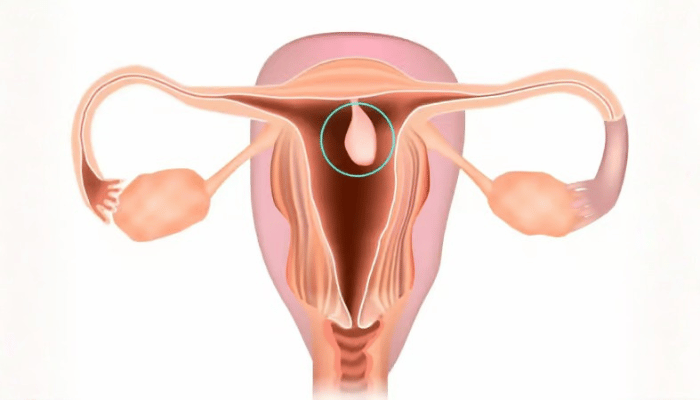
A small polyp without symptoms may not require immediate treatment. However, doctors may recommend uterine polyp removal in Dubai when:
- Abnormal bleeding continues.
- The polyp is large.
- The patient has fertility concerns.
- Bleeding occurs after menopause.
- The polyp has concerning features.
- Tissue examination is needed.
Most polyps are benign, but unexplained bleeding should not be ignored. Your doctor can discuss whether monitoring, medication, or removal is the appropriate next step.
Can Uterine Polyps Affect Fertility?
Uterine polyps may affect fertility in some women. However, the effect depends on factors such as the size and location of the polyp.
A polyp near the area where an embryo implants may interfere with implantation in certain cases. Other factors, including ovulation, fallopian tube health, age, and sperm quality, can also influence fertility.
If you are trying to conceive and have abnormal bleeding, discuss your concerns with a gynecologist.
Your doctor can assess whether a polyp may contribute to fertility concerns and explain suitable options.
Can Uterine Polyps Return After Removal?
Yes, uterine polyps can recur after treatment.
Removing an existing polyp does not always prevent new polyps from developing. Your doctor may recommend follow-up if symptoms return or if you have factors that increase the likelihood of recurrence.
If you experience new abnormal bleeding after uterine polyp removal in Dubai, seek medical advice rather than assuming the symptoms are harmless.
What Happens During a Consultation?
During a consultation for uterine polyp treatment in Dubai, Dr Mustafa Aldam can review your symptoms, menstrual history, previous investigations, and medical background.
The consultation may include:
- Discussing your bleeding pattern and other symptoms.
- Reviewing ultrasound or biopsy reports.
- Assessing possible causes of abnormal bleeding.
- Explaining suitable diagnostic tests.
- Discussing treatment options and potential risks.
- Answering questions about recovery and follow-up.
Your treatment plan depends on your individual findings. Not every patient needs the same procedure.
Why Consult Dr Mustafa Aldam?
Finding a gynecologist who can assess abnormal bleeding and explain treatment options is an important step.
Dr Mustafa Aldam provides gynecological care in Dubai, including assessment and management of conditions affecting women’s reproductive health.
If you are experiencing symptoms that may be linked to a uterine polyp, a consultation can help you understand the possible causes and the next steps.
Dr Mustafa Aldam can discuss whether further investigations or treatment may be appropriate based on your medical history and examination.
Frequently Asked Questions
Some small uterine polyps may disappear naturally, especially before menopause. Others may remain or grow. Your doctor can recommend monitoring or removal based on your symptoms and risk factors.
Some women experience cramping or discomfort during or after hysteroscopy. The level of discomfort depends on the procedure and anaesthesia. Your specialist can explain what to expect before treatment.
Yes. Uterine polyps can cause heavy or irregular menstrual bleeding. However, other gynecological conditions can cause similar symptoms.
Most uterine polyps are benign. However, some may contain abnormal or cancerous cells. When a polyp is removed, laboratory examination can help determine its nature.
Not every polyp requires removal before pregnancy. The decision depends on factors such as size, location, symptoms, and fertility history. Discuss your plans with a gynecologist.
Conclusion
Uterine polyps are small tissue growths that can form along the inner wall of the uterus. Although many are non-cancerous, they can cause heavy periods, irregular bleeding, or other reproductive health concerns.
Treatment depends on your symptoms, age, medical history, and the characteristics of the polyp. Options may include monitoring, medication for bleeding symptoms, and hysteroscopic removal.
If you are searching for uterine polyp treatment in Dubai, Dr Mustafa Aldam can help you understand your symptoms and discuss suitable diagnostic and treatment options.
Do not ignore persistent abnormal bleeding. A gynecological consultation can help identify the cause and guide the next steps.
Book a consultation with Dr Mustafa Aldam to discuss your uterine polyp concerns and available treatment options.