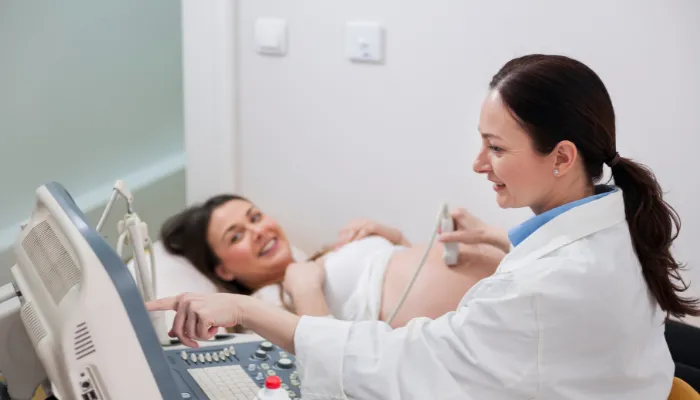
Pregnancy is a beautiful journey, but for some women, it may require closer monitoring and specialized care. When certain medical or pregnancy-related factors increase the chances of complications, it is known as a high risk pregnancy. Receiving prompt and professional medical assistance can guarantee a good conclusion for both mom and baby, despite the fact that this may sound concerning. For this reason, a lot of women turn to experts like Dr. Mustafa Aldam, a reputable obstetrician in the UAE who is renowned for providing compassionate and innovative care during high-risk pregnancies. In this detailed blog, you will learn what a high-risk pregnancy in uae means, its common causes, signs to be aware of and when to seek medical help for safe pregnancy care.
Understanding High Risk Pregnancy in UAE
A pregnancy is deemed high-risk when the health of the mother, baby, or both requires extra attention. Factors such as pre-existing medical conditions, complications that develop during pregnancy, or age-related concerns may increase the risk.
In the UAE, the need for specialized care has grown as more women become aware of the importance of expert maternal care. With increasing access to advanced healthcare technologies, specialists like Dr. Mustafa Aldam help ensure that women experiencing high risk pregnancy in UAE receive tailored, comprehensive, and safe management.
What Causes High Risk Pregnancy in UAE?
There are many factors that contribute to a high-risk pregnancy. Understanding these causes allows mothers to take proactive steps and seek timely care from specialists.
1. Maternal Age Factors Contributing to High Risk Pregnancy in UAE
One of the most common causes of high risk pregnancy in UAE is maternal age.
- Women above the age of 35 may experience higher risks such as chromosomal abnormalities and pregnancy-induced hypertension.
- Conversely, very young mothers may also face complications due to incomplete physical development or insufficient prenatal care.
As women in the UAE increasingly plan pregnancies later in life, this factor becomes even more relevant.
2. Pre-Existing Medical Conditions That Increase High Risk Pregnancy in UAE
Certain chronic health issues may increase the chances of complications, including:
- Diabetes
- High blood pressure
- Heart disease
- Thyroid disorders
- Kidney disease
- Asthma
- Autoimmune diseases
Personalized monitoring is necessary for these conditions over the entire pregnancy. As a result, women with these health problems frequently seek out professionals like Dr. Mustafa Aldam, who has extensive expertise in safely managing high-risk pregnancies in the United Arab Emirates.
3. Pregnancy-Related Conditions Leading to High Risk Pregnancy in UAE
Even healthy women may develop conditions during pregnancy that put them at risk. These include:
- Gestational diabetes
- Preeclampsia
- Placenta previa
- Placental abruption
- Severe anemia
- Preterm labor
- Multiple pregnancy (twins or triplets)
Regular prenatal exams are crucial for early detection because these problems can appear unpredicted.
4. Lifestyle Factors Associated with High Risk pregnancy in the UAE
Furthermore, other aspects of lifestyle may raise hazards, including:
- Smoking
- Excessive weight gain or obesity
- Poor nutrition
- Stress
- Lack of exercise
- Inadequate prenatal care
With increasing awareness among expectant mothers in the UAE, more women now understand how lifestyle adjustments can significantly reduce complications associated with high risk pregnancy in UAE.
Symptoms of High Risk Pregnancy in UAE You Should Not Ignore

While some risks are identified early through tests and medical history, others appear through warning signs. Complications can be avoided by identifying these symptoms and taking appropriate action.
The symptoms to look out for are listed below:
1. Severe abdominal pain
Persistent or sharp abdominal pain should never be ignored, as it may indicate issues like placental problems or preterm labor.
2. Heavy or unusual bleeding
Vaginal bleeding at any stage of pregnancy should prompt immediate medical evaluation.
3. Severe headaches and visual changes
These may be early signs of preeclampsia, a common cause of high risk pregnancy in UAE.
4. Reduced fetal movements
If the baby moves less than usual, this may be a sign of fetal distress.
5. High fever
A fever might indicate an infection that could affect both mother and baby.
6. Sudden swelling of hands, feet or face
This symptom is often linked to pregnancy-related hypertension.
7. Shortness of breath or chest pain
These symptoms may be associated with cardiovascular problems.
Because these symptoms can be related to serious complications, prompt evaluation by experts like Dr. Mustafa Aldam is essential for ensuring safe management of high risk pregnancy in UAE.
When to Seek Care for High Risk Pregnancy in UAE
Knowing when to seek help is crucial. While regular prenatal visits are important for all pregnancies, high-risk cases require even more attention.
1. During Pre-Pregnancy Planning
Before getting pregnant, women with long-term medical conditions or past pregnancy difficulties should speak with a doctor. Planning ahead reduces risks and enhances results.
2. Immediately After a Positive Pregnancy Test
Women who fall into any of the risk categories such as advanced maternal age, obesity, or underlying medical conditions should schedule an early appointment to establish a safe pregnancy plan.
3. When Experiencing Any Warning Symptoms
Even mild symptoms such as unusual cramping or spotting should be reported immediately. Prompt action frequently makes a big difference in the safe management of high-risk pregnancies in the uae
4. For Ongoing Monitoring During Pregnancy
Pregnancies at high risk frequently reach out to:
- Frequent ultrasounds
- Blood pressure monitoring
- Fetal growth assessments
- Laboratory tests
- Special dietary and lifestyle guidance
Dr. Mustafa Aldam makes sure that high-risk pregnant women in the uae receive continuous, all-encompassing treatment that is customized to meet their specific medical requirements.
How Dr. Mustafa Aldam Helps Manage High Risk Pregnancy in UAE
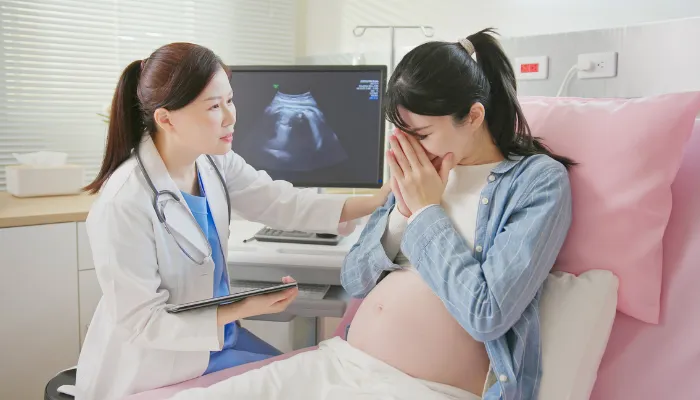
Dr. Mustafa Aldam is well-known for his expertise in complex obstetric cases. His approach involves:
Detailed diagnostic evaluations
Use cutting-edge tools and prenatal testing to identify hazards early.
Plans for individualized care
Every patient is given a personalized treatment plan based on her particular requirements.
Close observation of pregnancy
Frequent examinations aid in monitoring the mother’s and the child’s health.
Contemporary medical methods
Advanced fetal monitoring and ultrasound technologies support accurate diagnosis.
Safe delivery planning
Dr. Mustafa Aldam ensures that he chooses the safest delivery method, whether vaginal birth or C-section, based on medical necessity
Because of his commitment to excellence, many women trust him for managing high risk pregnancy in UAE with confidence and reassurance.
Conclusion
A high risk pregnancy does not mean a negative outcome; instead, it means the mother and baby require closer attention, expert monitoring, and timely care. Recognizing the reasons, signs and importance of looking for early medical help empowers mothers to enjoy a safe pregnancy journey.
Women facing high-risk pregnancies in the UAE should feel secure knowing they are getting excellent, evidence-based, and compassionate treatment under the direction of a skilled obstetrician like Dr. Mustafa Aldam.