Pelvic floor treatment in Dubai helps strengthen and balance the muscles that support a woman’s bladder, uterus, and bowel. These muscles play an important role in controlling urination, bowel movements, core strength, and sexual health. When the pelvic floor weakens or becomes overly tight, it can affect daily comfort and confidence. With early diagnosis and the right medical guidance, most pelvic floor conditions are highly manageable.
Dr. Mustafa Aldam, a senior obstetrician and gynecologist with over two decades of experience, takes a comprehensive and compassionate approach to pelvic floor care. His focus is on identifying the underlying cause of symptoms and guiding women toward safe, effective, and personalized treatment plans.
What Is the Pelvic Floor?
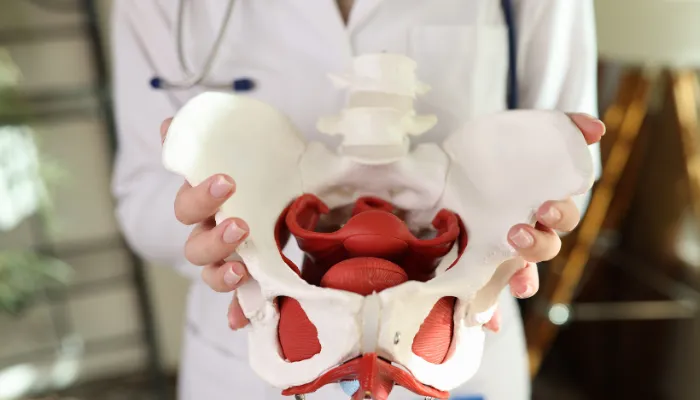
The pelvic floor comprises muscles and connective tissues at the base of the pelvis. These muscles act like a supportive sling, holding the pelvic organs in place and helping them function properly. They play a key role in:
- Controlling urine and bowel movements
- Supporting the uterus, bladder, and rectum
- Maintaining core and postural stability
- Contributing to sexual comfort and sensation
A healthy pelvic floor contracts and relaxes at the right time. Problems arise when these muscles lose strength, coordination, or flexibility.
Common Pelvic Floor Problems in Women
Pelvic floor disorders are more common than many women realize. Symptoms may develop gradually and are often dismissed as a normal part of aging or childbirth. Common conditions include:
Urinary Incontinence
Involuntary urine leakage while coughing, laughing, exercising, or lifting objects. This is one of the most frequent reasons women seek pelvic floor treatment in Dubai.
Pelvic Organ Prolapse
This occurs when pelvic organs descend due to weak support muscles, leading to a sensation of pressure, heaviness, or a bulge in the vaginal area.
Overactive Bladder
A constant urge to urinate, frequent bathroom visits, or sudden leakage can be linked to pelvic floor dysfunction.
Pelvic Pain and Discomfort
Tight or imbalanced pelvic muscles may cause chronic pelvic pain, lower back discomfort, or pain during intimacy.
Bowel Control Issues
Difficulty controlling bowel movements or gas can also indicate pelvic floor weakness.
What Causes Pelvic Floor Weakness?

There are several things that can lead to pelvic floor problems. Understanding the cause helps guide the right treatment approach.
Pregnancy and Childbirth
Vaginal delivery and prolonged labor can overstretch pelvic muscles. Even women who have had a cesarean delivery may experience pelvic floor weakness due to pregnancy-related pressure.
Menopause and Hormonal Changes
Reduced estrogen levels affect muscle tone and tissue elasticity, increasing the risk of pelvic floor issues.
Aging
Muscle strength naturally declines with age, especially without targeted exercise or therapy.
Chronic Constipation or Straining
Repeated straining increases pressure on pelvic muscles, leading to long-term weakness.
Gynecological Surgeries
Certain surgeries can alter pelvic support structures and muscle coordination.
Lifestyle Factors
Obesity, heavy lifting, chronic coughing, and poor posture can all place stress on the pelvic floor.
Signs You Should Not Ignore
Many women delay seeking care because their symptoms feel embarrassing or minor. However, early intervention improves outcomes. Consider consulting a specialist if you experience:
- Frequent urine leakage
- Persistent pelvic pressure or heaviness
- Pain during intercourse
- Difficulty controlling bowel movements
- Lower abdominal or pelvic discomfort
- Reduced quality of life due to bladder or bowel concerns
How Pelvic Floor Conditions Are Diagnosed
Accurate diagnosis is essential for effective pelvic floor treatment in Dubai. Dr. Mustafa Aldam follows a thorough and respectful evaluation process.
This may include:
- Detailed medical and obstetric history
- Assessment of symptoms and lifestyle factors
- Physical examination to evaluate muscle strength and coordination
- Additional tests are needed to rule out other gynecological conditions.
The goal is to understand both the physical and functional aspects of the pelvic floor before recommending treatment.
Pelvic Floor Treatment Options

Treatment plans vary depending on symptom severity, the underlying cause, and a woman’s overall health. Dr. Aldam emphasizes conservative and evidence-based approaches whenever possible.
Pelvic Floor Muscle Training
Targeted exercises help strengthen and coordinate pelvic muscles. When carried out correctly and consistently, these exercises can noticeably reduce symptoms.
Guided Therapy and Rehabilitation
Structured pelvic floor therapy programs focus on restoring proper muscle function and control. These are especially effective for postpartum women and those with mild to moderate symptoms.
Lifestyle and Behavioral Modifications
Simple changes such as managing weight, improving posture, addressing constipation, and modifying daily habits can reduce pelvic strain.
Medical Management
In some cases, medical treatments may be recommended to support muscle function and tissue health, especially during menopause.
Advanced Non-Surgical Approaches
Today’s pelvic floor care can include gentle, non-invasive treatments that help strengthen the muscles and support the tissues, depending on each person’s needs.
Surgery is only considered if these treatments aren’t enough and symptoms seriously affect daily life
Pelvic Floor Care After Childbirth
Postpartum pelvic floor care is essential, even if symptoms are mild. Early attention helps prevent long-term issues, such as incontinence and prolapse.
Women are encouraged to seek evaluation if they notice:
- Urine leakage after delivery
- Pelvic heaviness
- Pain or discomfort during recovery
Timely pelvic floor treatment in Dubai supports faster recovery and long-term pelvic health.
Pelvic Floor Health During Menopause
Menopause represents an important transition in a woman’s life. Hormonal changes can weaken pelvic tissues and reduce muscle tone. With proper care, many menopausal symptoms related to pelvic health can be managed effectively.
A personalized treatment approach helps maintain comfort, confidence, and quality of life during this stage.
Why Choose Dr. Mustafa Aldam?

Dr. Mustafa Aldam brings over 20 years of clinical expertise in obstetrics and gynecology, with a strong focus on women’s quality of life. His approach to pelvic floor treatment in Dubai is:
- Patient-centered and respectful
- Based on an accurate diagnosis
- Focused on non-surgical solutions first
- Tailored to each woman’s stage of life
Women appreciate his clear communication, compassionate care, and commitment to long-term wellness rather than temporary fixes.
When to Seek Professional Help
Pelvic floor problems usually don’t get better on their own. Getting treatment early can lead to better results. Talking to an expert is a helpful step toward feeling more comfortable and confident.
If pelvic symptoms are affecting your daily life, intimacy, or emotional well-being, professional care can make a real difference
Final Thoughts
Pelvic floor treatment in Dubai offers women effective solutions for conditions that are often misunderstood or ignored. With the right medical support, pelvic floor disorders can be managed safely and successfully.
Under the care of Dr. Mustafa Aldam, women receive personalized evaluation and treatment focused on restoring strength, function, and quality of life. Pelvic health is an important part of overall well-being, and no woman should feel hesitant to seek the care she deserves.