What is Endometriosis: Symptoms, Diagnosis, and Management Options
Endometriosis is a chronic condition and often causes persistent pain, affecting millions of women worldwide. Despite its prevalence, it remains widely misunderstood and underdiagnosed, leaving many patients searching for answers and relief for years. Knowing about endometriosis, understanding its symptoms, diagnosis, and treatment options can empower patients and their loved ones to navigate this journey with confidence and support.
What Is Endometriosis?
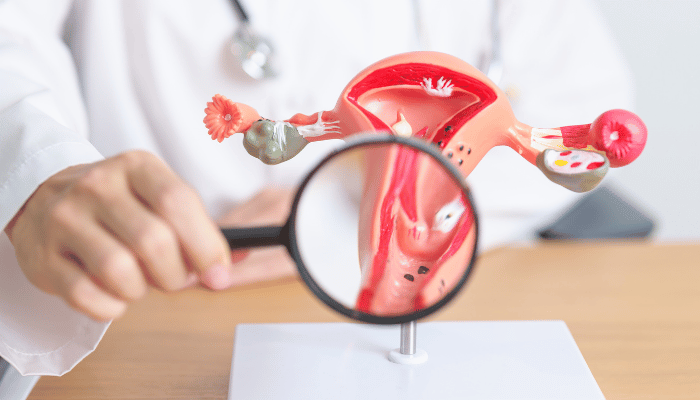
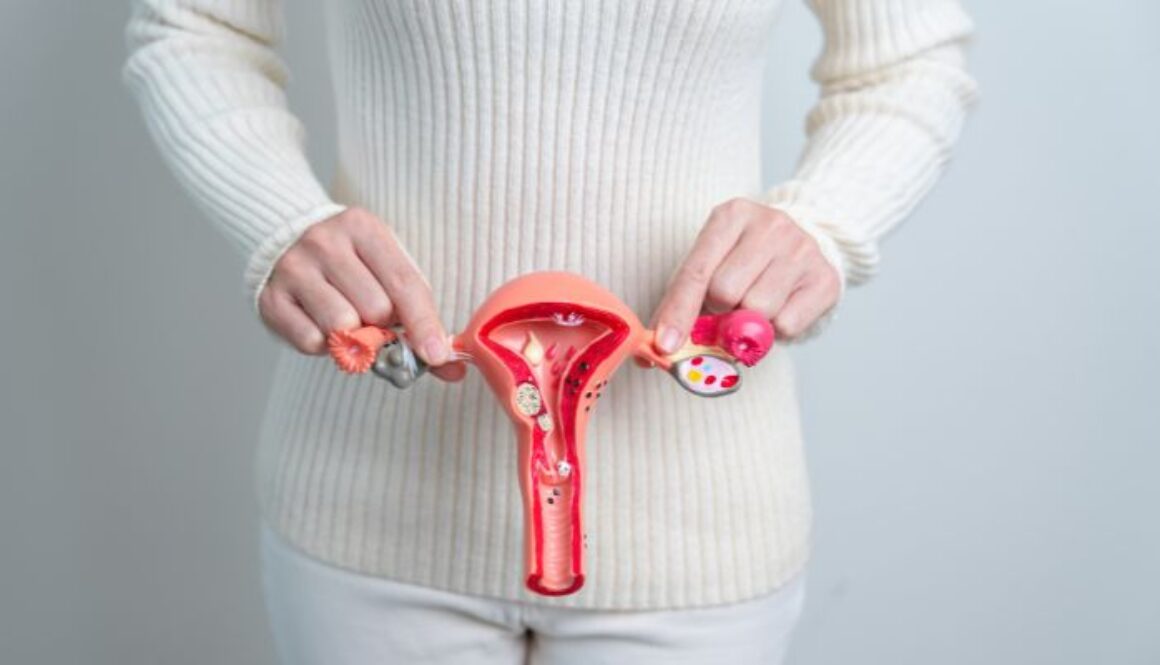
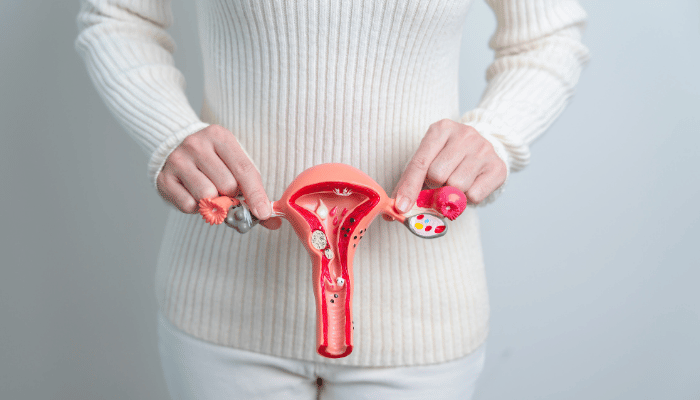
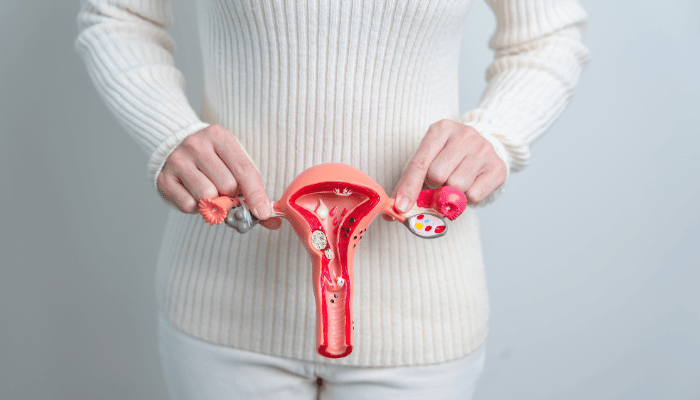
Endometriosis develops when tissue resembling the uterine lining, called the endometrium, grows outside the uterus. These growths, or lesions, can be found on the ovaries, fallopian tubes, and other areas within the pelvis. This misplaced tissue responds to hormonal changes, thickening and bleeding during the menstrual cycle, but with no way to exit the body, this tissue can cause inflammation, scarring, and pain.
Symptoms to Watch For
The symptoms of endometriosis can vary widely. While some individuals experience severe symptoms, others may have mild or no noticeable signs. Common symptoms include:
Painful bowel movements or urination, especially during periods.
Infertility or difficulty conceiving.
Fatigue, bloating, or nausea.
These symptoms are not exclusive to endometriosis, which is why the condition is often misdiagnosed as other issues like irritable bowel syndrome (IBS) or pelvic inflammatory disease (PID).
The Emotional Impact
Living with endometriosis can take a toll on your emotional well-being. The chronic pain and unpredictability of symptoms can lead to frustration, anxiety, or depression. Understanding these feelings and seeking support from trusted friends, family, or a counsellor is important.
Diagnosis and Treatment
Getting an endometriosis diagnosis can be challenging. A combination of a detailed medical history, pelvic exams, imaging (such as ultrasound or MRI), and sometimes laparoscopic surgery is used to confirm endometriosis.
Treatment options for endometriosis are personalised based on symptoms, severity, and whether you plan to have children. Common approaches include:
Medications: Pain relievers, hormonal therapies, or birth control to manage symptoms.
Surgery: Laparoscopy to remove lesions and improve fertility.
Lifestyle Changes: Diet, exercise, along with stress management can help alleviate symptoms.
Support Groups: Connecting with others who understand your journey can be a source of strength.
Advocacy for Your Health
Endometriosis is a complex condition, but you are not alone. Trust your instincts, advocate for your health, and seek second opinions if necessary. If you’re experiencing symptoms of endometriosis, don’t hesitate to reach out to a specialist. Relief and a better quality of life are possible with the right care and support.
Being a woman entails dealing with pelvic pain or discomfort in the pelvic region at some point in their life.
What is Pelvic Pain? Pelvic pain is defined as pain below the belly button and above the legs. Persistent or chronic pelvic pain is defined as pain that occurs on most days for six months or longer.
Some women may experience monthly menstrual cramps that are brief and manageable. Furthermore, pelvic pain can often make it difficult to live the life you want, interfering with your ability to work, exercise, or have sex. In some cases, conditions affecting the bladder, intestines, pelvic floor muscles, or even your spine can be the source of the pain. In fact, multiple sources of pain can be identified at the same time, whereas in some cases, the cause of chronic pelvic pain remains unknown.
So, what’s causing your pelvic pain, and when to seek help?
Here, we list down some of the major causes of persistent pelvic pain, among which ENDOMETRIOSIS is a prominent reason in many cases:
Endometriosis
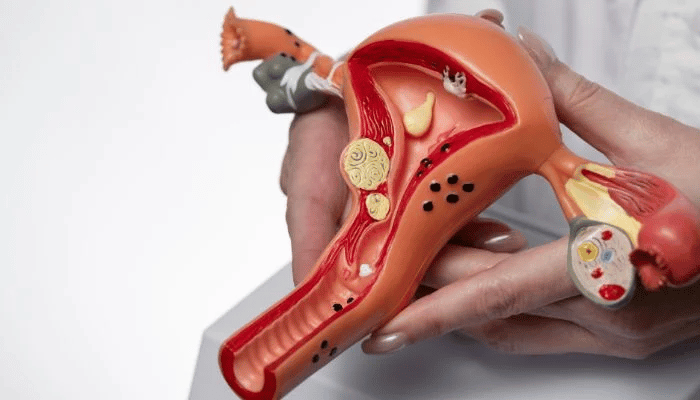
Endometriosis is a condition in which the endometrial tissue (lining of the uterus), grows abnormally outside the uterus. Outgrowth is seen in areas such as your uterus, ovaries, tubes, bladder, and intestines. This tissue can irritate structures it comes into contact with, resulting in pain and adhesions (scar tissue) on these organs.
Although the exact reason behind endometriosis is yet not known, this disorder could lead to constant pelvic discomfort and interfere with your fertility reducing your chances of getting pregnant.
It is divided into four stages based on the extent, depth, severity, and size of the endometrial implants in the ovaries. Stages I and II are labeled as minimal, implying mild scarring and implants. Types III and IV cause cysts and scarring, which can lead to infertility and other pelvic issues.
Symptoms of Endometriosis
Abdominal and pelvic pain that doesn’t seem to subside
Menstruation that is irregular or heavy, or painful periods (dysmenorrhea). Some women may even experience blotting during their normal cycle.
Urination that is painful or bloody
Intercourse that hurts
Irritable bowel syndrome (IBS)
Treatments
Medications
Hormones affect endometriosis tissues in the same way that they affect endometrial tissues inside the uterus. Endometriosis pain can be exacerbated by hormonal changes during the menstrual cycle.
Thus, hormonal therapy treatments can alter hormone levels or prevent your body from producing certain hormones. Hormone therapy can interfere with your ability to conceive, so it is not suitable for everyone.
Hormone therapy can be administered in the form of contraceptive pills, shots, or a nasal spray. Medicinal treatment can also include pain non-steroidal anti-inflammatory drugs (NSAIDs) to manage painful symptoms.
Surgical Interventions
Patients with advanced endometriosis, pain that does not respond to other treatments, or who are trying to conceive may require surgery.
Laparoscopy
Our surgeon makes a few small incisions in your abdomen during this laparoscopy procedure. Then, a thin tube containing a light and a camera is inserted through one incision. They insert small tools into the other incisions. These instruments can be used to remove endometrial tissue (excision) or to destroy the ablated tissues.
Laparotomy
In some cases, a laparotomy may be required instead of laparoscopy to treat endometriosis. To remove the endometrial tissue, the doctor will make a larger incision (cut) in the abdomen, but the process is undertaken on rare occasions.
Hysterectomy
A hysterectomy is the surgical removal of the uterus. Our team of experts may recommend this as a treatment option for endometriosis. They may also advise you to have your ovaries removed (oophorectomy) with or without a hysterectomy. This will cease the release of hormones and should cure endometriosis permanently, but it will put you into menopause.
Did you know that pelvic pain can also be caused by Adenomyosis – a ‘sister’ condition of endometriosis? It involves abnormal cell growth. Here, the cells develop into the uterine muscle wall. Also, symptoms are quite similar to endometriosis.
Other causes of chronic Pelvic Pain
PMS and Menstrual Cramps
Your uterus creates a tissue lining every month. An embryo can implant and grow in this location. If you do not become pregnant, the lining dissolves and is shed during your period. A cramp occurs when the uterus tightens to push it out.
Painful Ovulation
Have you ever experienced a painful twinge between periods? You may be experiencing ovulation symptoms. When you do this, the ovary releases an egg as well as fluid and blood. It has the potential to irritate. Month to month, the pain may switch sides. It is not dangerous and usually goes away within a few hours.
Ectopic Pregnancy
This occurs when an embryo implants and begins to grow outside of the uterus. This is most common in the fallopian tubes. Symptoms include sharp pelvic pain or cramps (especially on one side), vaginal bleeding, nausea, and dizziness.
Pelvic Inflammatory Disease
This is a side effect of sexually transmitted diseases. It has the potential to cause permanent infertility as well as damage to the uterus, ovaries, and fallopian tubes. Symptoms include abdominal pain, fever, abnormal vaginal discharge, and pain during sex or urination.
Ovarian Cysts
This is a side effect of sexually transmitted diseases. It has the potential to cause permanent infertility as well as damage to the uterus, ovaries, and fallopian tubes. Symptoms include abdominal pain, fever, abnormal vaginal discharge, and pain during sex or urination.
Uterine Fibroids
These form on or in the uterine wall. They are not cancerous and are sometimes referred to as fibroid tumors. Fibroids are common in women in their thirties and forties. They usually don’t cause any issues. However, some women may experience abdominal pain, low back pain, heavy periods, painful sex, or difficulty becoming pregnant.
Endometriosis and prolonged pelvic pain treatment with Dr Mustafa Aldam
Dr Mustafa Aldam is committed to helping women suffering from endometriosis and prolonged pelvic pain. Dr. Mustafa Aldam is a seasoned obstetrician and gynecologist in Dubai with over two decades of clinical experience. He holds a prestigious board certification in Obstetrics and Gynecology from JMC. Dr. Mustafa Aldam is a renowned obstetrician and gynecologist specializing in endometriosis and pelvic pain management. With years of experience and expertise in the field, he offers comprehensive and effective treatments for women suffering from these conditions. His compassionate approach and dedication to patient care have made him a trusted choice for many.
Endometriosis and prolonged pelvic pain? Dr. Mustafa Aldam offers effective treatments.
Endometriosis, marked by the growth of uterine lining tissue outside the uterus, can severely impact a woman’s well-being, causing considerable pain and disruption in her life.
But what exactly causes this debilitating condition? Understanding the root endometriosis causes is crucial for managing its symptoms and enhancing the quality of life for those affected.
In this blog, we will delve into the main factors thought to contribute to the development of endometriosis.
What is Endometriosis?
Endometriosis is an often-painful condition characterized by the growth of tissue resembling the inner lining of the uterus, known as endometrium, outside the uterus. It often affects the ovaries, fallopian tubes and the tissue lining the pelvis.
During the menstrual cycle, these endometrial-like implants outside the uterus undergo similar monthly changes as the uterine lining: thickening, breakdown, and bleeding.
However, because this tissue cannot exit the body like menstrual blood, it becomes trapped, causing inflammation, scarring, and the formation of adhesions. This leads to severe pelvic pain, particularly during menstruation, along with infertility and other symptoms.
If you experience any symptoms of endometriosis, it’s essential to speak with a gynecologist for proper evaluation and management.
What is the Main Cause of Endometriosis?
The exact endometriosis causes remains unknown, but several factors may contribute to its development. These include:
Retrograde Menstruation: One theory suggests that menstrual blood reverses its flow through the fallopian tubes into the pelvic cavity instead of exiting the body, resulting in the implantation of endometrial cells outside the uterus.
Hormonal Imbalances: Estrogen, a key hormone that regulates the menstrual cycle, significantly influences the growth and shedding of the uterine lining. Hormonal imbalances or an increased sensitivity to estrogen may promote the development of endometrial-like tissue outside the uterus.
Immune System Dysfunction: A compromised immune system might fail to recognize and eliminate endometrial cells outside the uterus, allowing them to implant and grow, leading to inflammation and pain.
Embryonic Cell Transformation: During fetal development, cells in the pelvic and abdominal cavities have the potential to become endometrial cells. Hormonal changes or environmental factors may trigger these cells to transform into endometrial-like tissue outside the uterus.
Environmental Factors: Exposure to toxins and chemicals, like, dioxins and polychlorinated biphenyls (PCBs), may increase the risk of developing endometriosis by disrupting hormone function and immune response.
Surgical Scars: Endometrial cells can attach to surgical incisions after a hysterectomy or C-section, potentially leading to endometriosis in these areas.
Several factors may increase the risk of developing endometriosis:
Family History: If a close relative, such as a mother or sister, has endometriosis, the likelihood of developing the condition is higher.
Menstrual History: Early onset of menstruation, short menstrual cycles, heavy menstrual periods, and prolonged menstruation may increase the risk of endometriosis.
Nulliparity: Women who have not given birth have a higher risk of developing endometriosis.
Medical Conditions: Conditions that affect menstrual flow, such as uterine abnormalities or pelvic inflammatory disease, can increase the risk of endometriosis.
Immune Disorders: Women with autoimmune diseases may have an increased risk of endometriosis.
Endocrine Disorders: Conditions that affect hormone levels, such as polycystic ovary syndrome (PCOS) or thyroid disorders, may increase the risk of endometriosis.
Lifestyle Factors: Factors such as smoking, excessive alcohol consumption, and a sedentary lifestyle may also increase the risk of developing endometriosis.
How is Endometriosis Diagnosed?
Endometriosis is usually diagnosed through a combination of medical history, pelvic examination, and imaging tests like ultrasound, CT scan, or MRI scan.
However, the only definitive way to diagnose endometriosis islaparoscopic surgery. In this procedure, a surgeon inserts a thin instrument through a small incision in the abdomen to view and potentially remove abnormal tissue for biopsy.
What are the Different Treatment Options for Endometriosis?
The treatment options of endometriosis may include:
Pain Medications: OTC or prescription pain relievers, like nonsteroidal anti-inflammatory drugs (NSAIDs), can help alleviate pelvic pain and discomfort associated with endometriosis.
Lifestyle Changes: Adopting a healthy modifications that includes regular exercise, a balanced diet, stress management techniques, and sufficient sleep, can help alleviate symptoms and improve the quality of life for women with endometriosis.
Hormonal Treatments: Hormonal therapies, including, birth control pills, hormonal contraceptives, progestin therapy, or gonadotropin-releasing hormone (GnRH) agonists, may help regulate the menstrual cycle and alleviate pain by suppressing ovulation and estrogen production.
Surgical Intervention: Laparoscopic surgery, also known as minimally invasive surgery, may be recommended to remove endometrial implants, scar tissue, and adhesions. In more severe cases, a hysterectomy might be required to remove your ovaries, cervix, or uterus.
Experience Quality Endometriosis Treatment in Dubai With Dr. Mustafa Aldam
Dr. Mustafa Aldam is a board-certified obstetrician-gynecologist in Dubai. With over 20 years of expertise, he specializes in endometriosis treatment and offers a holistic approach to women’s health and reproduction. As one of the leading male and Arabic gynecologists, Dr. Mustafa is sought after for his exceptional care and personalized treatment plans.
Both endometriosis and adenomyosis are conditions related to the abnormal growth of tissue that resembles the uterine lining. But while the terms might sound similar, there’s a crucial difference between them.
In this blog, we’ll explore the main differences between adenomyosis vs endometriosis, shedding light on these complex yet distinct gynecological disorders.
Adenomyosis vs Endometriosis – Inside vs Outside
Adenomyosis and endometriosis are two distinct but often confused gynecological conditions that affect women’s reproductive health. While both involve tissue growth outside its usual location within the uterus, their anatomical location and symptoms differ.
Adenomyosis occurs when the same type of cells that line the uterus grow deep within the muscular wall of the uterus, thickening it.
On the other hand, endometriosis involves the growth of endometrial-like tissue outside the uterus, commonly on pelvic organs and tissues such as the ovaries, fallopian tubes, and bladder. This can invade nearby organs and tissues, leading to inflammation, scarring, and adhesion formation.
Adenomyosis vs Endometriosis – Symptoms
While both conditions carry similar symptoms, they also have distinct features that help differentiate between them.
Let’s explore the symptoms associated with each condition:
Adenomyosis Symptoms
Endometriosis Symptoms
Heavy menstrual bleeding Severe menstrual cramps Pelvic pain and pressure Bloating and discomfort Pain during intercourse Enlargement of the uterus Irregular menstrual bleeding Painful or difficult bowel movements
Pelvic pain that worsens during your period Painful menstruation Pain during intercourse Infertility Gastrointestinal symptoms, like bloating, diarrhea, or constipation Fatigue and exhaustion Painful urination or bowel movements during menstruation
Both adenomyosis and endometriosis can cause anemia due to heavy menstrual bleeding, resulting in insufficient iron levels in the blood.
Adenomyosis vs Endometriosis – Risk Factors
The exact causes of these conditions still need to be fully understood. The risk factors that may lead to the development of endometriosis and adenomyosis:
Risk Factors of Adenomyosis
Risk Factors of Endometriosis
More common in women aged between 40 and 50.Women who have had multiple pregnancies.Women who have had a previous uterine surgery.Some hormonal imbalances, such as excess estrogen production, may increase the risk.Genetic predisposition plays a role, with adenomyosis often occurring in families.
Commonly seen in younger women.Has a family history of endometriosis, mainly if your mother or sister has been diagnosed.Some uterine abnormalities, like a retroverted uterus.Elevated estrogen levels or an imbalance between estrogen and progesterone may contribute to endometriosis.
Adenomyosis vs Endometriosis – Which is Worse?
Determining whether adenomyosis or endometriosis is worse depends on various factors, such as the intensity of symptoms, impact on quality of life, and individual experiences.
Both conditions can cause significant pain, discomfort, and fertility issues, but they differ in their underlying causes and anatomical locations.
Adenomyosis primarily affects the uterus, causing symptoms like heavy menstrual bleeding and pelvic pain. While it can be uncomfortable and affect daily life, it usually stays within the uterus and has less impact on fertility than endometriosis.
Conversely, endometriosis involves the growth of endometrial-like tissue outside the uterus, commonly on pelvic organs and tissues. This can cause chronic pelvic pain, painful menstruation, pain during intercourse, and infertility. It can also cause complications like ovarian cysts and bowel issues, potentially resulting in more severe symptoms and more significant fertility challenges.
Diagnosis – Adenomyosis and Endometriosis
The diagnosis of the condition of adenomyosis and endometriosis includes:
Medical History: A thorough medical history, including symptoms and menstrual patterns, is obtained to assess the possibility of adenomyosis or endometriosis.
Physical Examination: Pelvic examination may reveal signs such as uterine enlargement, tenderness, or palpable masses suggestive of adenomyosis or endometriosis.
Imaging Tests: Ultrasound, MRI, or transvaginal ultrasound may be performed to visualize the uterus and pelvic organs, helping to identify abnormalities consistent with adenomyosis or endometriosis.
Diagnostic Laparoscopy: In cases where imaging tests are inconclusive or surgical intervention is warranted, diagnostic laparoscopy may be performed. This minimally invasive procedure allows direct visualization of the pelvic organs and the presence of endometrial-like tissue outside the uterus, confirming the diagnosis of endometriosis.
Endometriosis and adenomyosis may not necessitate treatment unless they result in noticeable issues.
Pain Management: Both over-the-counter pain relievers or prescription medications may alleviate pelvic pain and discomfort associated with both conditions.
Hormonal Therapy: Medications, like birth control pills, hormonal IUDs, or GnRH agonists, may help regulate menstrual cycles, reduce menstrual bleeding, and alleviate symptoms of adenomyosis and endometriosis.
Surgery: In severe cases or when conservative treatments are ineffective, surgical options may be recommended. These include hysterectomy ( (removal of the uterus), endometrial ablation (destruction of the uterine lining), or laparoscopic excision of endometrial implants.
Explore Expert Care for Adenomyosis and Endometriosis in Dubai With Dr. Mustafa Aldam
With over 20 years of expertise, Dr. Mustafa specializes in adenomyosis and endometriosis treatment, offering a holistic approach to women’s health and reproduction. As a leading male and Arabic gynecologist, Dr. Mustafa is sought after for his exceptional care and personalized treatment plans.
Get in touch to receive top-quality care and treatment for adenomyosis and endometriosis in Dubai!
Endometriosis is not just a medical term; it’s a daily reality for 10% of women during their reproductive years. But fear not, this blog will help you navigate through endometriosis.
But before learning how is endometriosis diagnosed, let’s take a quick look at what causes endometriosis first:
Cause
Description
Retrograde Menstruation
Menstrual blood goes back into the pelvic cavity
Hormonal Imbalance
Estrogen may promote the growth of endometriosis
Surgical Scars
Endometrial cells may attach to surgical incisions
Immune System Disorders
A compromised immune system may not destroy ectopic endometrial tissue
Genetics
A hereditary aspect, as it often runs in families
Now, let’s explore the paths to how to diagnose endometriosis together, one fact at a time.
Endometriosis: The Hidden Agony
Endometriosis is a chronic disease that can significantly disrupt daily life, causing severe pain and a host of other symptoms that often intensify during menstrual periods.
Despite its prevalence, endometriosis frequently goes undiagnosed due to the commonality of its symptoms with less severe conditions. However, under Dr. Mustafa’s expert care, we will tell you how to recognize the nuanced symptoms of endometriosis.
Common Symptoms Often Overlooked:
Painful Menstrual Periods: Often dismissed as typical “period pain,” but the pain associated with endometriosis can be far more intense and debilitating.
Chronic Pelvic Pain: This symptom can be mistaken for other pelvic issues.
Pain During Intimacy: A symptom that is not only physically distressing but can also strain relationships and affect mental health.
Gastrointestinal Distress: Symptoms like painful bowel movements, bloating, or nausea during menstrual periods can be misattributed to digestive disorders.
Infertility: Many women discover they have endometriosis only after seeking help for infertility, which can be a direct consequence of the disease.
The journey to how to diagnose endometriosis is often long and winding, with many women experiencing a delay of several years before receiving proper medical attention. This blog is a call to action for women to listen to their bodies and seek the expertise of specialists like Dr. Mustafa, who understands the complexities of this enigmatic condition.
How Is Endometriosis Diagnosed?
When it comes to diagnosing endometriosis, Dr. Mustafa Aldam’s approach is meticulous and patient-focused. This table encapsulates the primary theories behind the causes of endometriosis.
Here’s a tailored outline of the diagnostic journey under his guidance:
Initial Consultation:
Dr. Mustafa begins with a comprehensive review of your medical history and a discussion of symptoms, emphasizing the importance of understanding each individual’s unique experience with pain and discomfort.
Pelvic Exam:
A careful pelvic exam is performed to check for abnormalities, such as cysts, scars, or irregularities that might suggest the presence of endometriosis.
Ultrasound:
This test uses sound waves to create images of the reproductive organs and can identify cysts associated with endometriosis.
MRI:
An MRI provides detailed images and is particularly useful for surgical planning, giving a clear picture of the location and size of endometrial growths.
Laparoscopy:
This is the definitive procedure for diagnosing endometriosis. It allows direct visualization of the pelvic cavity and the possibility of taking tissue samples for biopsy.
This streamlined process, led by Dr. Mustafa Aldam, makes sure that patients receive a thorough and accurate diagnosis, setting the stage for effective treatment and management of endometriosis.
Tips for Managing Endometriosis
Managing endometriosis involves a combination of medical treatment and self-care strategies. Here are some tips to help manage the symptoms:
Stay Active: Regular exercise will help reduce pain and improve overall well-being.
Heat Therapy: Applying heat to the pelvic area can ease menstrual cramps and pain.
Healthy Diet: A diet high in fiber may help manage endometriosis symptoms.
Hydration: Drinking a lot of water may help reduce bloating and ease discomfort.
Stress Management: Techniques like yoga or spending time on hobbies can help manage stress levels.
Remember, these tips should complement the treatment plan advised by your healthcare provider.
Consult Dr. Mustafa Aldam for endometriosis diagnosis in Dubai.
If you’re navigating the complexities of endometriosis and seeking expert care, consider reaching out to Dr. Mustafa Aldam, a distinguished Consultant Obstetrician and Gynecologist in Dubai.
His extensive experience and patient-centered approach can guide you through diagnosis and treatment, offering support and solutions tailored to your unique needs.
Take the first step towards managing your health by scheduling a consultation with Dr.Mustafa today. Your journey to wellness is just a call away.
Endometriosis is a condition when uterine tissues grow outside the uterus, on the uterus’s outer wall, or surrounding organs causing inflammation, pain, and scarring. It commonly affects reproductive organs and the peritoneum (a membrane in the abdominal cavity).
The uterine tissue outgrowth on other organs responds similarly to menstrual cycle hormones; thus, they cause pain and cramps. It typically occurs in women in their 30s and 40s. Timely treatment is crucial to alleviate symptoms and prevent complications.
What are the first signs of endometriosis?
The endometriosis signs and symptoms depend on the severity and location of the endometriosis tissues and significantly vary from woman to woman.
Signs and symptoms include:
Chronic pelvic pain
Severe, debilitating abdominal cramps
Pelvic pain, usually worse during a period
Long periods
Heavy menstrual flow
Nausea and vomiting
Pain/cramping during or after sexual intercourse
Bowel and urinary disorders
Painful bowel movements or urination during menstruation
According to some research, endometriosis can slightly elevate the risk of certain ovarian cancers, potentially linked to shared genetic and hormonal factors. The increased risk is attributed to high estrogen concentration and gene mutations like ARID1A and BAF250a. However, the overall risk of developing ovarian cancer with endometriosis remains relatively low, with less than 2% of individuals with endometriosis progressing to ovarian cancer.
What are the first signs of endometriosis cancer?
The first signs and symptoms of endometriosis cancer include:
Who is at risk of endometriosis, or what risk factors increase the chances of endometriosis?
Age factor- Endometriosis can affect women of all ages, but it is most commonly observed in women in their 30s and 40s. However, symptoms can start as early as puberty.
Family history- If you have a family member, such as a mother or sister, with endometriosis, it may increase your risk of developing the condition.
Pregnancy history- Pregnancy can temporarily alleviate symptoms of endometriosis, and women who haven’t had children may be at a higher risk of developing the disorder.
Menstrual history- Factors including early menstruation, shorter menstrual cycles, heavier and more extended periods, and later onset of menopause may increase the risk of developing endometriosis. Race and Ethnicity Research data.
Race and Ethnicity- Racial and ethnic disparities in diagnosis exist. Endometriosis impacts 11% of US women aged 15-44. Hispanic and Black women are less likely to be diagnosed than white women. Asian women are 50% more likely to receive a diagnosis.
Endometriosis treatment depends on various factors such as age, severity, and preference of treatment by individuals. Some endometriosis treatments include
Pain Medication
Non-steroidal anti-inflammatory drugs (NSAIDs) are commonly prescribed for pain relief. Over-the-counter options like ibuprofen are available, though their effectiveness varies among individuals.
Hormonal Therapy
Hormonal therapy, which includes options like birth control pills, Gonadotropin, Progestin-only contraceptives, and Danazol, is utilized to manage inflammation, cyst formation, and scarring associated with endometriosis. These treatments aim to regulate hormonal fluctuations, preventing the tissue growth linked to endometriosis and alleviating the associated pain.
Surgery
Surgery is employed for endometriosis treatment, offering options like laparoscopic or standard procedures. Conservative surgery aims to address fertility concerns and severe pain by removing or destroying endometrial growths without harming reproductive organs.
In extreme cases, a last-resort total hysterectomy may be performed, involving the removal of the uterus, cervix, ovaries, and visible implant lesions. It’s crucial to note that while a hysterectomy can alleviate endometriosis symptoms, it renders pregnancy impossible.
Radical hysterectomy
A radical hysterectomy is a surgical procedure primarily conducted in the presence of cancer. It involves the complete removal of the uterus, surrounding tissue, cervix, and the upper part of the vagina. This extensive procedure is reserved for cases where cancer is diagnosed.
Lifestyle changes
Manage endometriosis with lifestyle changes:
Adopt a plant-based diet.
Reduce alcohol and caffeine.
Exercise regularly for improved circulation and stress management.
Consult Dr. Mustafa Aldam for Endometriosis treatment in Dubai